

Own an exclusive ZIP code.
One team holds it.
A ZIP code is where everyone else stops. It is where we start. Hold one by property type and every competitor listing that goes active inside it becomes your marketing moment — their sign goes up, and your name lands on that street the same week.
Presented, then approved. One holder per ZIP code, per property type.
Circle prospect their listings
before they know what happened.
Circle prospecting has always meant working the houses around your own listing. That caps you at the listings you already have.
Competition Command points it at theirs. A competitor takes a listing inside your ZIP code, and the neighbours around it hear from you — while that listing is live, while the street is paying attention, and while the seller two doors down is starting to wonder what their own house is worth.
It runs whether you hold a listing on that street or otherwise. Their inventory becomes your farming calendar.
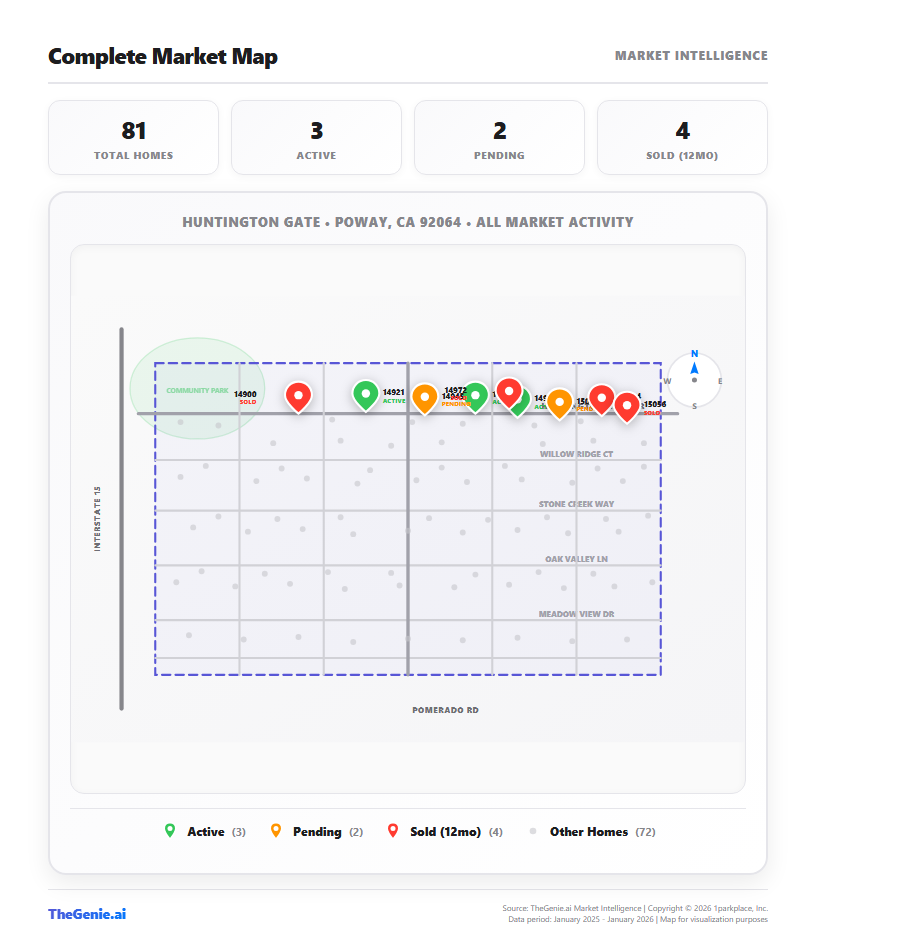
We take it apart by neighborhood.
Everyone sells you a ZIP code and stops. A ZIP code is tens of thousands of people and it is the outer boundary of the work rather than the work. Domination happens inside it, one layer at a time.
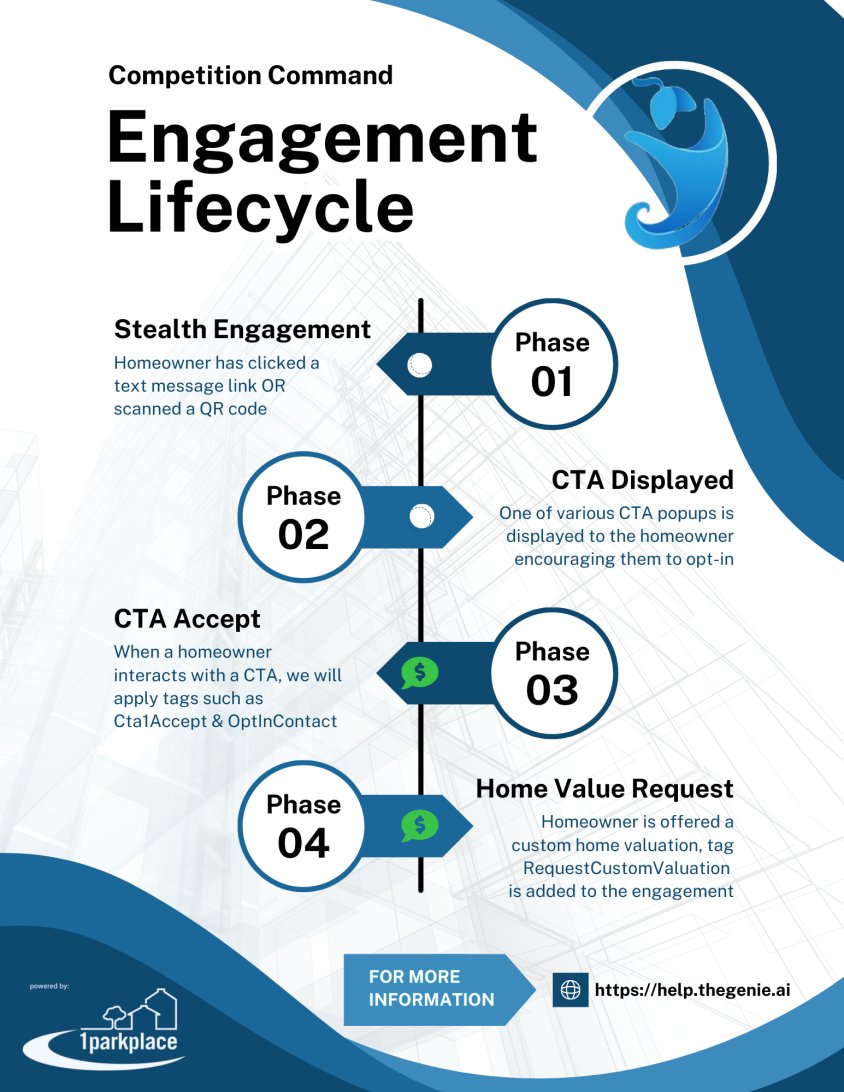
The engagement lifecycle,
phase by phase.
A homeowner is notified that a home near them has listed, and clicks the link or scans the QR code. That is phase one, and it counts on its own.
From there the prompt appears, they accept it, and they ask what their own home is worth. Four phases, and the agent sees every one of them as it happens.
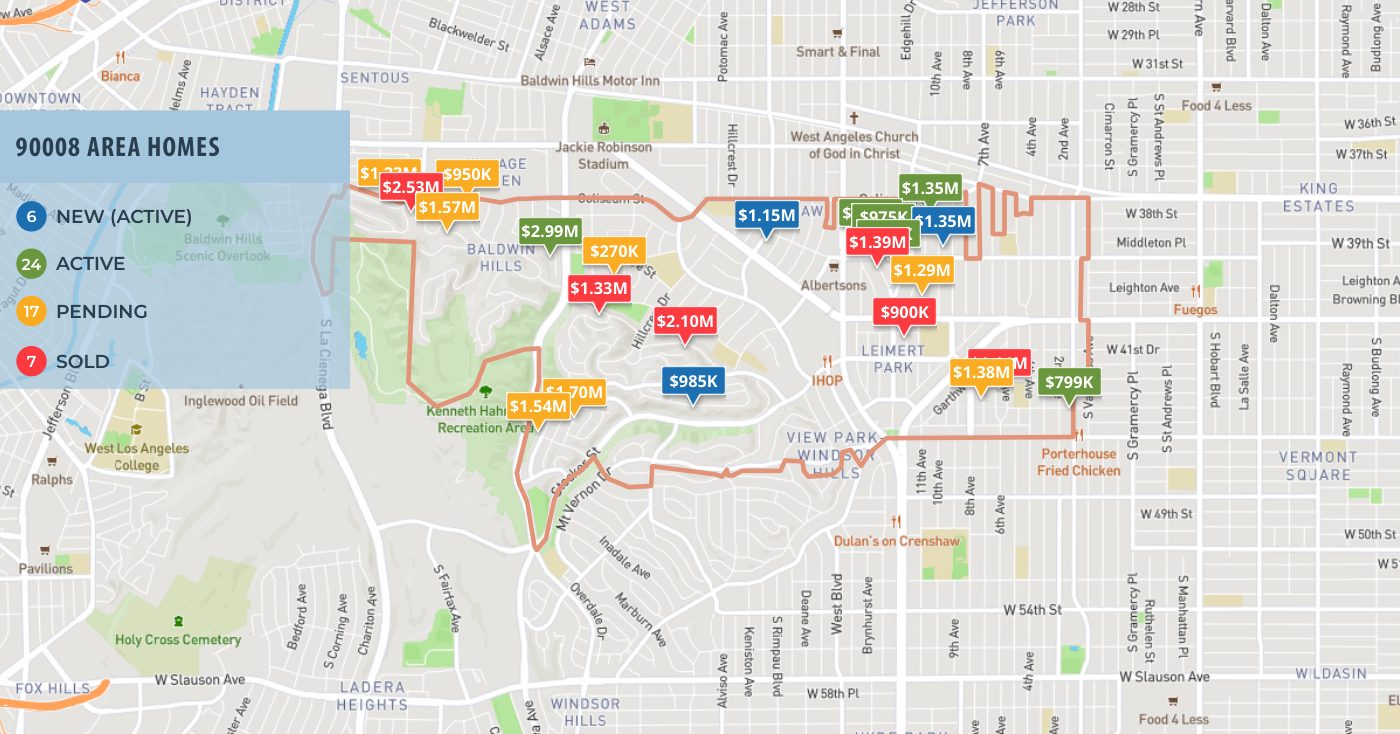
One holder per ZIP code.
Hold as many as you can win.
The exclusive is by ZIP code and by property type, so a single-family team and a condo team can each hold the same postcode and stay clear of one another.
It is presented and then approved rather than bought off a page, and that is deliberate. An exclusive is worth exactly as much as the difficulty of getting one.
While you hold it, the competitor listings inside it feed your farm automatically. That is the whole argument, and it is the easiest one we make.
Find out whether yours is still open.
Bring the ZIP code you already work. We will tell you what is happening inside it, and whether it is held.